Nursery Sheets · A Practical Guide
How to Evaluate a Naturepedic Crib Sheet for Fit, Fabric, and Care
A crib sheet does a quiet but important job: it creates a washable surface over the mattress, and it needs to fit correctly to do that job well. When assessing Naturepedic’s organic flannel crib sheet, start with the mattress dimensions, then weigh its brushed cotton feel against your nursery’s temperature and your laundry routine.
Nursery shopping can make small decisions feel consequential. Sheets, in particular, are easy to overlook beside the crib or mattress, yet they are used often, washed regularly, and expected to fit without fuss. A useful evaluation begins not with a claim about softness or a photograph of a neatly made crib, but with the practical details: the mattress’s length, width, and depth; the sheet’s corresponding measurements; the fabric; and the care instructions.
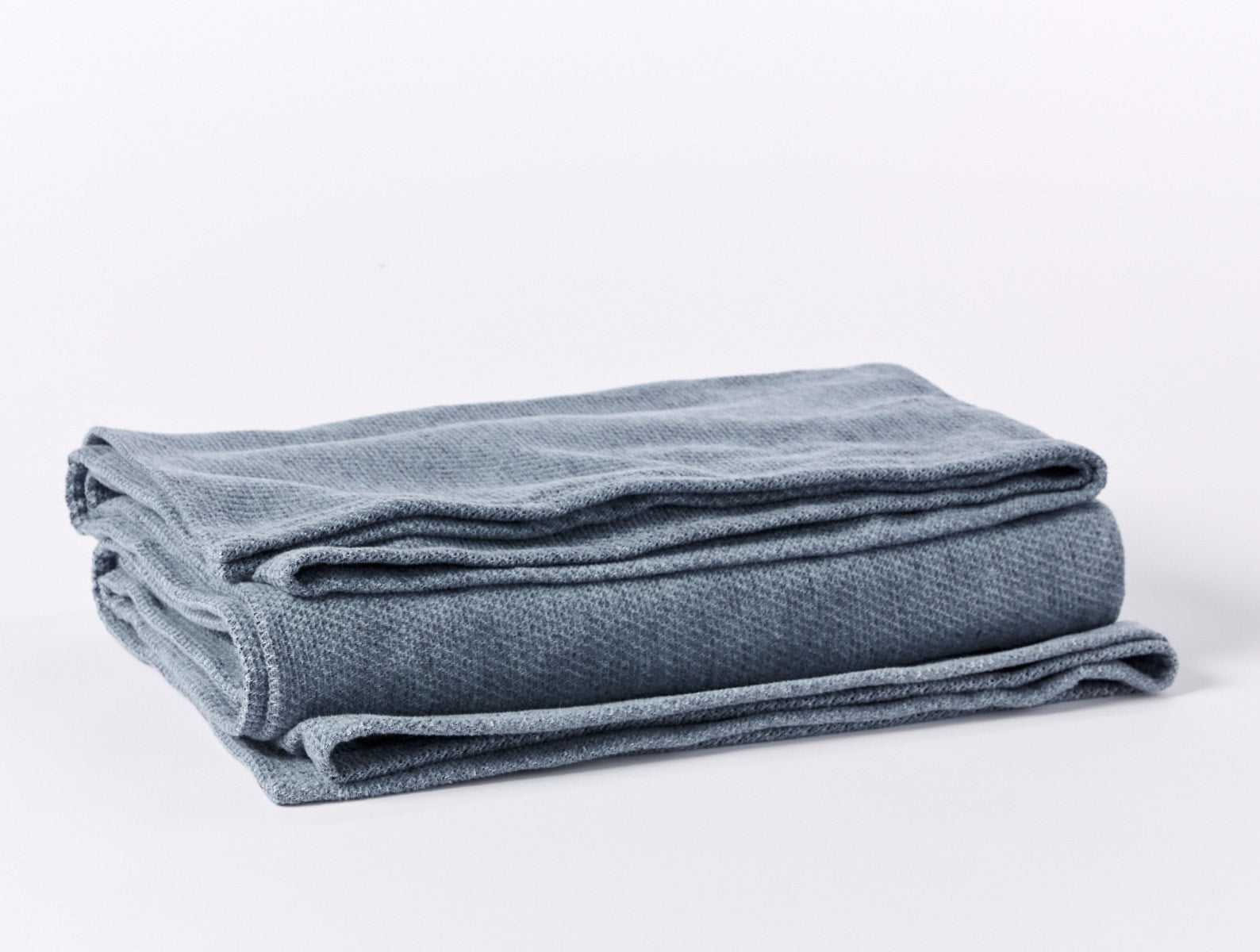
Naturepedic’s Cloud Brushed Organic Flannel Crib Sheet is listed as 28 inches wide by 52 inches long, with an 8-inch depth. Its material is 100% organic cotton, finished as brushed flannel. The care guidance calls for a cold, gentle wash with like colors and low-heat tumble drying. Those specifics give caregivers a clear starting point for deciding whether this nursery sheet suits a particular mattress and household routine.
Begin with the mattress, not the sheet label
The word “crib” may sound like a standard size, but a label alone is not a substitute for checking the mattress itself. Measure the mattress you plan to use, or consult its manufacturer’s specifications, before comparing it with a fitted sheet. Focus on three dimensions: width, length, and depth. The first two describe the top surface; depth indicates how far the sheet must stretch down around the mattress.
For this Naturepedic crib sheet, the listed measurements are 28 inches by 52 inches, with an 8-inch depth. Compare each number with the mattress information rather than relying on an estimate. If a mattress is an unusual size, has a different profile, or is paired with an additional layer, confirm compatibility with the sheet maker and mattress instructions before use.
A fitted sheet should cover the mattress smoothly, with its corners and edges held in place. It should not be loose, bunched, or easily pulled away during ordinary handling. A sheet that is too small may strain at the corners or fail to stay in place; one that is too large can leave excess fabric. Neither condition is a reason to improvise with clips, ties, or other accessories unless the product manufacturer specifically permits them.
Depth is sometimes the dimension people forget. Two mattresses with identical length and width can differ in thickness, and that difference affects how a fitted sheet sits around the sides. Measure the mattress from its top surface to its bottom edge, including any component that the mattress instructions say should be included in the measurement. Then compare the result with the sheet’s stated 8-inch depth and confirm that the fitted design is intended for the mattress in question.
What a smooth, secure fit looks like
Once the sheet is on, examine the whole mattress rather than judging the fit from a single corner. The surface should appear relatively smooth, with the sheet’s fabric distributed evenly across the top. Check that the corners are fully seated and that the sides remain in place. If the sheet rides up, pulls sharply across a corner, or leaves noticeable excess material, pause and recheck the dimensions and fit instructions.
Material can change how a sheet feels and behaves, but fabric softness cannot make a poor fit acceptable. Nor should a caregiver assume that a sheet is suitable simply because it can be stretched over the mattress. Fit is about whether the finished sheet remains correctly positioned and smooth, not merely whether it can be made to cover the surface.
Use the mattress and crib manufacturers’ instructions as the authority for the sleep space. Keep the crib arranged according to current safe-sleep guidance from recognized public-health authorities, and do not add blankets, pillows, positioners, or other items to an infant’s sleep area unless a qualified clinician or authoritative guidance says they are appropriate. A crib sheet is a fitted mattress covering, not a substitute for broader safe-sleep practices.
Understanding brushed organic cotton flannel
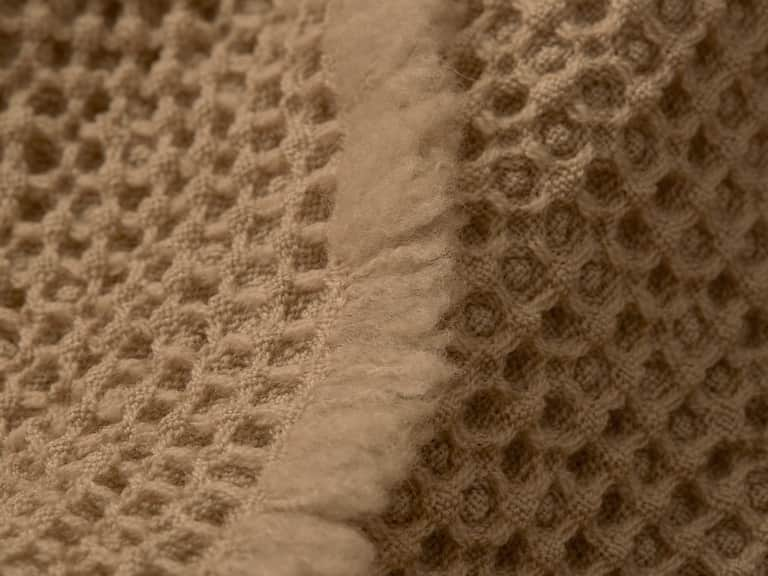
The sheet is described as 100% organic cotton in a brushed flannel construction. Flannel is a woven fabric that receives a brushing treatment to raise a soft surface. That finish is the source of the familiar velvety hand and the cozy impression associated with flannel bedding. Cotton supplies the underlying fiber; brushing changes the fabric’s surface feel.
In practical terms, brushed flannel often feels warmer and more substantial than a smooth, unbrushed cotton sheet. That can make it appealing in a cool room or during colder months. It may be less appealing in a warm nursery, depending on the room, the baby’s clothing, and the household’s preferred bedding. A fabric’s name alone cannot determine whether a child will be comfortable in a particular environment, so caregivers should consider room conditions and follow pediatric and safe-sleep guidance about appropriate clothing and temperature.
“Organic cotton” describes the fiber’s agricultural and processing standards only when supported by a relevant certification. The product details list this sheet as GOTS certified. Certification can offer a framework for evaluating claims, but it does not replace the practical questions of fit, feel, laundering, or suitability for the individual mattress. Read the product label and current certification information for the precise scope of any claim.
The sheet’s description also notes that the fabric softens with washing. That observation is useful as an expectation, but the care label remains the guide. Avoid changing the washing temperature or using treatments simply to accelerate softening; unnecessary heat or chemicals may affect the fabric and may not be compatible with its stated care instructions.
Match the fabric to the nursery
Choosing a nursery sheet is partly a question of texture and partly a question of context. Consider how warm the room tends to be, what season it is, and how the sheet will be used within the sleep setup. A brushed flannel surface may feel inviting on a chilly night, while a lighter, smoother fabric might seem more comfortable in a warmer room. Those are general textile considerations, not a guarantee of how any individual baby will respond.
It is worth thinking about the whole routine, too. A sheet may need frequent laundering, so a fabric that feels pleasant but demands complicated care could be inconvenient. Conversely, a straightforward wash routine does not eliminate the need to inspect the fitted sheet after laundering and confirm that it still lies properly on the mattress. If fabric shrinkage or a change in elasticity affects the fit, follow the product maker’s advice and reassess whether the sheet remains appropriate.
Keep the distinction between a sheet and a blanket clear. Sheets cover the mattress; blankets are separate textiles and have different uses and considerations in an infant sleep environment. The fact that a blanket is made from organic cotton, or that it feels breathable, does not make it interchangeable with a fitted crib sheet or establish that it belongs in a crib. Evaluate each item according to its function and the relevant safety guidance.
A care routine that respects the fabric
According to the listed instructions, the Naturepedic organic flannel crib sheet should be washed cold on a gentle cycle with like colors, then tumble dried on low. The care details also say to remove it promptly and permit warm ironing if desired. Following these instructions is a straightforward way to clean the sheet while limiting unnecessary stress on the fabric.
Before the first wash, check the sewn-in label and any current directions supplied with the product. Product information can change, and the label on the item should take precedence if it differs from an older listing. Separate colors when appropriate, use a gentle detergent suitable for the fabric, and avoid bleach or other additives unless the care label explicitly allows them. Fabric softener is not automatically necessary: it can leave a coating on some textiles and may affect absorbency or feel, so consult the manufacturer’s guidance rather than treating it as a routine requirement.
Low heat is specifically recommended here. High heat can be harder on many cotton fabrics and may contribute to shrinkage or wear, which matters because even a modest change in size can affect a fitted sheet’s fit. If the sheet comes out damp, allow it to finish drying in a way consistent with its instructions. Avoid over-drying simply for convenience.
Regular washing helps keep bedding fresh, but how often to launder it depends on household circumstances and any care advice from a health professional. After washing, inspect seams, elastic, and corners. Look for damage, loosened stitching, or changes that prevent the sheet from lying smoothly. A clean sheet is useful only if it still fits as intended.
A simple evaluation checklist
Before deciding whether this Naturepedic crib sheet is a good match, use a short, evidence-based checklist:
- Verify dimensions: Compare the mattress width and length with the listed 28-by-52-inch sheet size.
- Check depth: Confirm that the mattress profile is compatible with the listed 8-inch depth.
- Assess the fitted finish: Once installed, look for a smooth surface, fully seated corners, and edges that remain in place.
- Consider the textile: Decide whether brushed cotton flannel’s cozy feel suits the nursery’s usual temperature and your preferences.
- Read the label: Confirm the current material, certification, and care details on the product itself.
- Plan for laundry: Make sure cold gentle washing and low-heat drying fit your routine.
- Recheck after washing: Inspect the sheet for wear or a change in fit before putting it back on the mattress.
This approach avoids relying on a single selling point. A certification may matter to one household; the fabric’s brushed texture may matter to another. But dimensions and secure fit remain essential checks, while care instructions determine whether the sheet can be maintained as intended.
Questions worth asking before purchase
If the mattress information is unclear, contact the mattress or sheet manufacturer rather than guessing. Ask whether the sheet is designed for the specific mattress model and depth, whether its dimensions refer to the mattress surface or the finished sheet, and whether there are any compatibility restrictions. If you are comparing versions or colors, check that the measurements and care directions apply to the exact item being considered.
For fabric questions, look for the material composition and certification details on the product label or manufacturer’s current documentation. “Organic,” “soft,” and “breathable” can be useful descriptions, but they do not answer every practical question. Fiber content, finishing process, laundering instructions, and the exact dimensions together provide a clearer picture.
For concerns about an infant’s sleep environment, consult current guidance from a recognized health authority or ask a pediatric health professional. Product descriptions can explain textile features; they are not a replacement for medical advice or safe-sleep guidance.
The bottom line
Evaluating a Naturepedic crib sheet is less complicated when the decision is divided into three parts. First, compare the sheet’s listed 28-by-52-inch dimensions and 8-inch depth with the actual mattress. Next, decide whether brushed organic cotton flannel is a comfortable choice for the nursery’s conditions. Finally, consider whether the cold, gentle wash and low-heat tumble-dry routine works for your household, and follow the care label as the final authority.
A well-chosen nursery sheet should fit the mattress smoothly, offer a fabric feel that makes sense for the setting, and remain manageable through regular care. The measurements are the starting point, not a formality. The fabric explains how the sheet may feel; the laundry instructions show how to look after it. Together, these details turn a small purchase into a more informed one.