A practical guide to home textiles
Choosing a Throw: Size, Fabric, and Everyday Use
A good throw does more than soften a room. It offers an easy layer of warmth, adds texture to a familiar space, and is ready when the temperature changes or you settle in for a while. The best choice is not necessarily the thickest or most luxurious one. It is the throw that suits where you’ll use it, how you want it to feel, and the care you can comfortably give it.
Start with three practical questions: Where will the throw live? How much coverage do you need? And what kind of upkeep fits your routine? Those answers make it easier to compare dimensions, fibers, and weaves without getting distracted by appearance alone.
First, decide what the throw needs to do
The word “throw” can describe a range of blankets, from a light cotton layer folded over an armchair to a generously sized wool or alpaca textile used for warmth on a sofa. It can also be a decorative layer at the end of a bed. These uses overlap, but they are not identical. A piece chosen mainly for display may be judged by its drape and color; one intended for daily lounging needs comfortable dimensions, a pleasant hand, and care instructions you can live with.
Think about a typical day in the room. Will the throw cover your legs while you read? Be shared by two people on a couch? Move from a chair to a bed? Or mostly sit folded at the end of a sofa until someone reaches for it? A textile that is handled often should be easy to pick up, settle around the body, and return to its place. If it has a specific decorative role, consider how its pattern and texture relate to the larger room.
It can help to distinguish a throw from a bed blanket. Throws are generally intended for flexible, personal use rather than to cover a mattress in a precise way. They may be smaller than standard bed blankets, but there is no single universal size. Always check the listed dimensions instead of relying on the product name.
Choose a size for the setting
Size affects more than appearance. It determines whether a throw offers enough coverage, how easily it can be moved, and how neatly it sits when not in use. A common throw measurement is around 50 by 70 inches, but sizes differ by maker and style. Treat that figure as a useful reference, not a rule.
For an armchair, a smaller or lighter throw may be the most convenient. It can provide a layer over the lap without dragging across the floor, and it is easy to fold over the back or arm of the chair. A compact throw also makes sense if the piece will be carried between rooms or packed for travel.
A sofa usually calls for a little more flexibility. Consider the number of people who may use it and the kind of coverage you expect. A throw for one person to pull over their legs can be modest in size; a shared layer or a throw meant to cover the back and seat may need more width. If you plan to drape it across a large sofa, compare the dimensions with the furniture rather than guessing from an online description.
At the foot of a bed, a throw can add a contrasting stripe of color or an extra layer for cool evenings. A smaller piece may work well as an accent, while a wider one can provide more practical coverage. It does not need to span the full bed, but it should look intentional. Measure the area you want to cover and allow for the way a soft textile falls over the mattress.
- For a chair: prioritize manageable weight and a size that stays clear of the floor.
- For a sofa: consider whether the throw is for one person, several people, or styling the furniture.
- For a bed: check the intended placement and compare the width and length with the mattress.
- For shared use: look for enough width to cover more than one person comfortably.
Dimensions are especially important when the throw has fringe or a textured edge. Those details contribute to the finished appearance, but they may affect how the piece hangs or how much of its surface is available for coverage. When in doubt, use a tape measure and mark out the approximate size on the sofa or bed.
Understand the fabric before you choose
Fiber shapes the feel and behavior of a throw, but it does not tell the whole story. The yarn, weave, finish, weight, and construction all matter. Two cotton throws, for example, may feel quite different if one is a smooth plain weave and the other has a raised waffle texture. A useful comparison begins with the fiber label, then moves to the textile’s structure and care requirements.
Cotton: breathable and adaptable
Cotton is a familiar choice for everyday home textiles. Depending on its construction, a cotton throw can feel light and airy or more substantial and cozy. It is often well suited to rooms that stay warm, transitional seasons, or households that want a blanket they can use frequently. Many cotton throws are machine washable, although the care label—not the fiber name—is the final guide.
Weave changes the experience. A herringbone design uses a distinctive zigzag pattern that brings visual texture without requiring a heavy surface. A waffle weave has a three-dimensional grid that can add interest and create a lighter, more breathable feel. Plain and twill weaves offer other variations in drape and surface. If you prefer a throw that works with changing decor, a subtle woven pattern may bring character while remaining easy to layer.
The Downtown Company Herringbone Blankets and Throws illustrate how a cotton throw can combine a recognizable weave with everyday function. The collection is made from long-staple cotton and includes throws with fringed ends. Its stated throw size is 50 by 70 inches, a useful reference for comparing coverage, and the product information describes the pieces as washable. Check the care label and the specific item details before laundering.
Wool: natural warmth and structure
Wool is valued for warmth, but “wool throw” does not describe one uniform feel. The fiber type, yarn, weave, and finishing can produce a range of textures and weights. A wool layer may suit a cooler room or someone who wants noticeable insulation without relying on a bulky comforter. Some wool textiles feel softly brushed; others have a more defined weave or a firmer hand.
Maintenance deserves particular attention. Some wool products require dry cleaning, while others have different care instructions. Do not assume that all wool can be washed the same way. Heat, agitation, and unsuitable detergents can affect the fibers or the shape of the textile. Before choosing wool for frequent use, decide whether its warmth and feel justify the care routine specified by its maker.
Alpaca: warmth with a soft, light feel
Alpaca is another natural fiber associated with warmth and softness. A throw made from alpaca may provide insulation while feeling relatively light, but its exact character depends on the construction and blend. It can be a compelling option for a reading chair or a cool evening when warmth matters but a heavy blanket feels cumbersome.
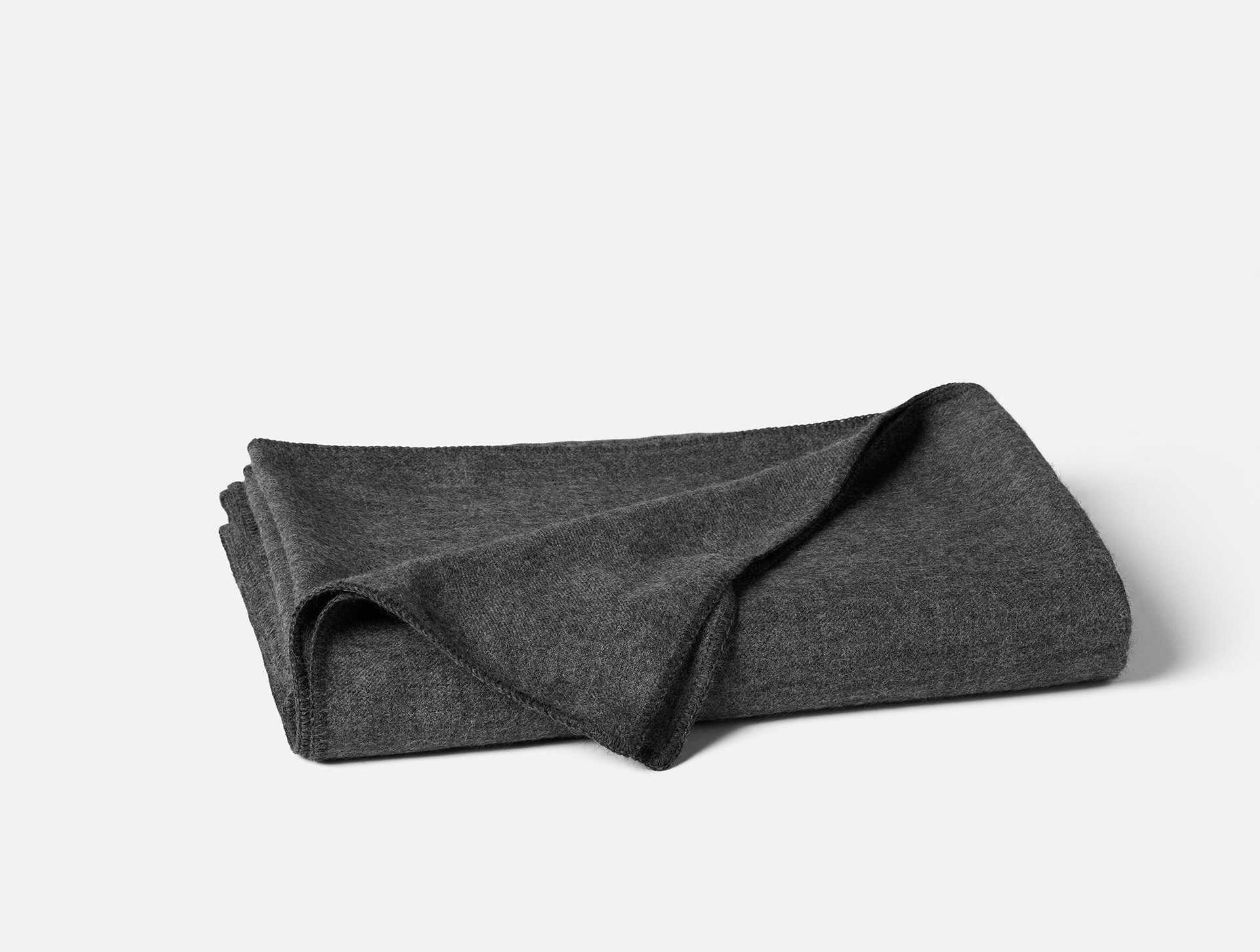
Care may be more specialized than it is for many cotton throws. For example, the Pacaya Alpaca Blanket is described as 100% baby alpaca, woven in Peru in a twill weave, and finished with a blanket-stitched hem. Its product information specifies dry cleaning. That makes the care label a key part of the decision, especially if you expect the throw to be used daily or exposed to spills.
Blends and other fibers
Blended fabrics can combine qualities from different fibers, and the proportions can influence softness, durability, warmth, and maintenance. Other materials, including linen, silk, and synthetic fibers, also appear in throws. Each has a distinct feel and set of trade-offs. Rather than assuming a material is inherently better, consider what matters in your room: airflow, softness, weight, easy washing, or a particular finish.
Descriptions such as “soft,” “lightweight,” or “warm” are helpful starting points, but they are subjective. Where possible, compare the stated fiber content, dimensions, weave, and care directions. If you can examine the textile in person, notice how it drapes and whether its texture feels comfortable against the skin.
Weave, weight, and the feel of warmth
Warmth is not determined by fiber alone. A dense weave can hold warmth differently from an open one, and a raised or brushed finish may feel cozier against the body. The same throw can also feel warmer or cooler depending on room temperature, clothing, and how much of the body it covers. This is why size and construction belong in the same conversation as material.
Look for information about fabric weight when it is available, but do not treat a number as a complete comfort rating. A heavier textile may feel substantial and insulating, while a lighter one may be easier to drape and carry. Neither is automatically the better choice. For year-round use, many people prefer a layer that can be folded or removed easily as the temperature changes.
Texture also affects the visual mood of a room. A crisp herringbone pattern can make a sofa feel more considered; a plush or brushed surface can soften a space; a waffle structure adds dimension without a complicated print. Think about the other textiles nearby—upholstery, cushions, rugs, and bedding—and decide whether the throw should blend in or offer contrast.
Make care part of the choice
A throw can be beautiful and comfortable yet impractical for the way you live. Care instructions matter most when the textile will be used often. If it is likely to collect crumbs, pet hair, or the occasional spill, a washable option may be simpler to maintain. If it is mainly a decorative layer or used only on special occasions, a more demanding care routine may be acceptable.
Before washing any throw, read the manufacturer’s directions. Check the permitted water temperature, cycle, drying method, and restrictions on bleach or fabric softener. Different fibers and finishes can respond differently to moisture and heat. Even when two products are both cotton, their recommended care may not be identical.
For a throw that is machine washable, gentle handling can help preserve its texture and shape. Avoid overcrowding the washer, use the recommended cycle, and follow the label’s drying guidance. Remove the textile promptly if instructed, and make sure it is fully dry before folding it away. For dry-clean-only pieces, plan for that additional step instead of treating it as a detail to sort out later.
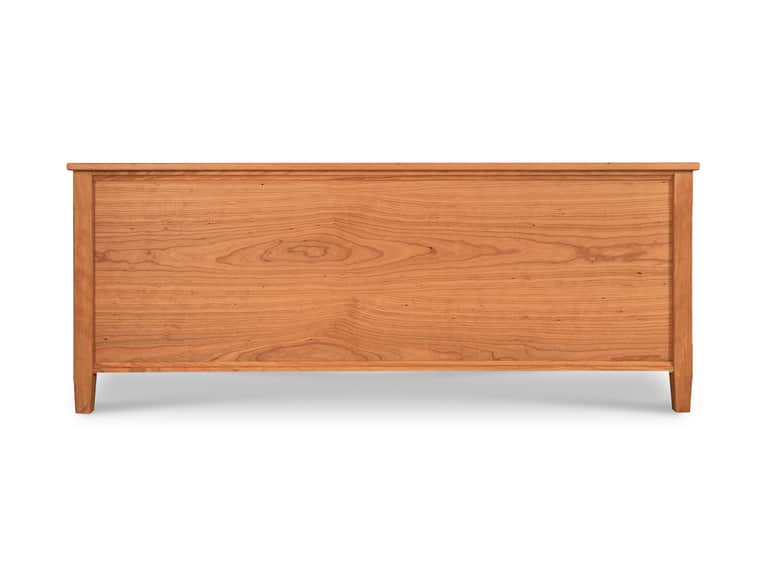
Storage also affects longevity. A clean, dry place protects a folded throw from dampness and unnecessary wear. If the textile is kept in a chest or closet for a long period, make sure it is clean and thoroughly dry before putting it away. Give it room to breathe rather than compressing it under heavy objects.
Choose for the room, not just the product description
Color and pattern influence how often a throw feels at home in a space. Neutrals can settle into a room without competing with existing furnishings. A contrasting color can add energy or help connect details already present in a cushion, rug, or artwork. Pattern is another way to add interest, especially when the surrounding decor is relatively simple.
Practicality still comes first. A throw that is too precious to use may spend most of its life folded on a shelf. A piece that can be draped casually, washed according to its instructions, and returned to the sofa without fuss may become part of the room’s everyday rhythm. If a throw will move between rooms, a versatile color and a manageable size can make that easier.
Pay attention to finishing details, too. Fringed ends create a relaxed edge; a self-hem or stitched border can appear more tailored. These details are not merely decorative: they shape how the throw hangs and how its edges look after use. Consider them alongside the overall weave and intended setting.
A simple checklist before you decide
When several throws seem appealing, compare them against the same practical questions. This keeps the choice grounded in how the textile will actually be used.
- Location: Is it for a chair, a sofa, a bed, or more than one room?
- Coverage: Will it be used by one person or shared? Do its dimensions match that purpose?
- Feel: Do you want a cool, breathable layer or a warmer, more substantial one?
- Fiber and weave: Are the material and construction suited to your preferences?
- Care: Is machine washing important, or are you comfortable with specialized cleaning?
- Style: Should the throw blend into the room, or provide a distinct color or texture?
- Use frequency: Is it a daily layer, a seasonal accent, or an occasional guest-room extra?
These questions can narrow the field quickly. A breathable cotton throw may make sense for frequent use and straightforward care. A wool or alpaca option may appeal when natural warmth and texture are priorities, provided its care instructions suit your routine. A patterned weave can offer a balance of function and visual interest without relying on a bold print.
The best throw is the one you reach for
A throw is a small decision with an outsized place in daily life. It sits within reach on the sofa, softens the edge of a chair, and adds a layer when the room feels cooler than expected. Its value comes from the fit between material, size, care, and habit—not from a single fiber or design detail.
Begin with the setting and the coverage you want. Compare actual dimensions, then consider the feel and warmth of the fabric. Read the care instructions before making your choice, especially when comparing natural fibers with different maintenance needs. Finally, think about how the throw will look when it is folded, draped, and used.
With those basics in view, choosing becomes less about finding a universally perfect blanket and more about finding the right one for a particular room and routine. That is the useful promise of a well-chosen throw: comfort within reach, with a texture and finish that belong where you live.