In the quiet of a nursery, the right bedding serves as both a practical shield and a soft invitation to restful moments. This guide, written in the refined rhythm of Time magazine, examines how to navigate organic crib bedding with an eye toward safety certifications, fiber choices, and care routines that protect baby’s skin while simplifying parental life. We’ll spotlight a standout piece—the Classic Organic Blanket from Coyuchi—and connect it to broader conversations about foundational sleep gear, care ethics, and enduring quality.
From the moment a baby’s sleep environment is formed, the materials underneath matters. Organic crib bedding emphasizes materials grown without synthetic pesticides or chemical treatments, reducing exposure to potentially irritant substances. Certification matters here: GOTS (Global Organic Textile Standard) signals a direction beyond mere “natural” labeling. It tracks the supply chain from fiber to finished product, ensuring that dyes, treatments, and manufacturing practices meet rigorous environmental and social criteria.
Beyond certification, the fiber choice affects skin comfort, breathability, and temperature regulation. Cotton remains a dominant choice for crib blankets and sheets due to its softness and moisture-handling capabilities. Wool blends can add warmth and natural flame resistance, while synthetic fibers may offer durability and ease of care but can carry different skin-sensitivity considerations. The best approach balances gentle feel with durability, and always adheres to safety guidelines for crib use.
In the world of infant sleep, safety standards guide every selection. The most critical considerations include flame resistance in cover materials, certification of non-toxicity, and the absence of small parts or loose fibers that could pose a choking hazard. Organic crib bedding, when properly chosen, contributes to a sleep environment that minimizes chemical exposure and supports a calm, breathable atmosphere for baby’s rest.
To operationalize safety, caregivers should choose products with clear certifications, read care labels for appropriate washing temperatures, and select pieces that fit snugly on a standard crib mattress. Loose blankets, bumpers, and soft toys should be avoided in the crib environment to reduce suffocation risk. Instead, opt for a fitted sheet, a single appropriate blanket if necessary, and a stable, flat sleep surface according to pediatric guidelines.
The fiber choice shapes not only comfort but also washability and longevity. 100% organic cotton, particularly when GOTS-certified and produced in Fair Trade facilities, offers a soft touch against baby skin and robust durability after repeated washes. Cotton’s porous nature helps wick moisture and maintain a comfortable microclimate around baby’s body. For parents seeking additional warmth without bulk, wool fibers or wool-blend blankets can provide natural insulating properties and temperature regulation; however, they require careful care and may demand specialty cleaning to preserve texture and integrity. Blends, when thoughtfully selected, combine the best of both worlds: the softness of cotton with the warmth or resilience of other fibers.
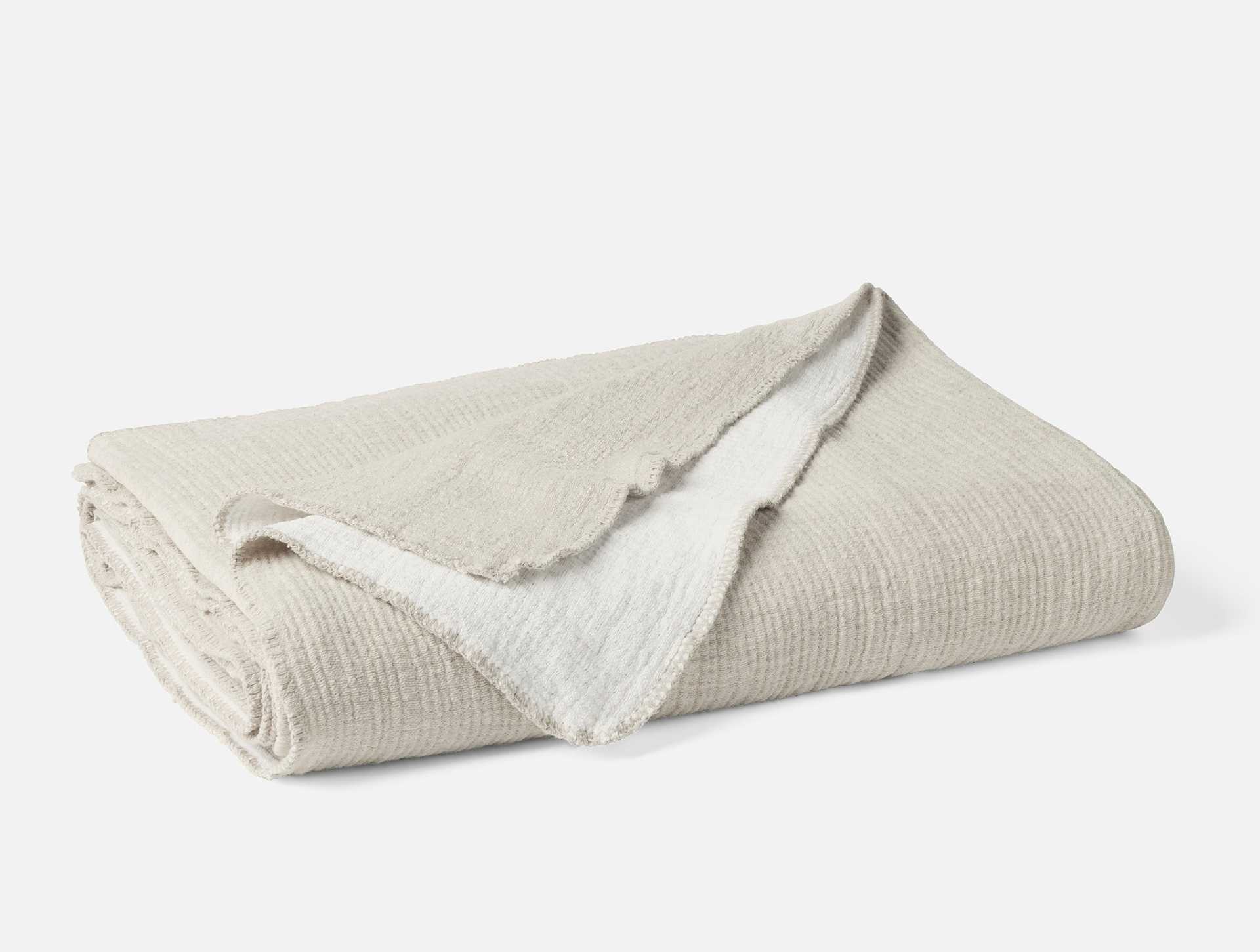
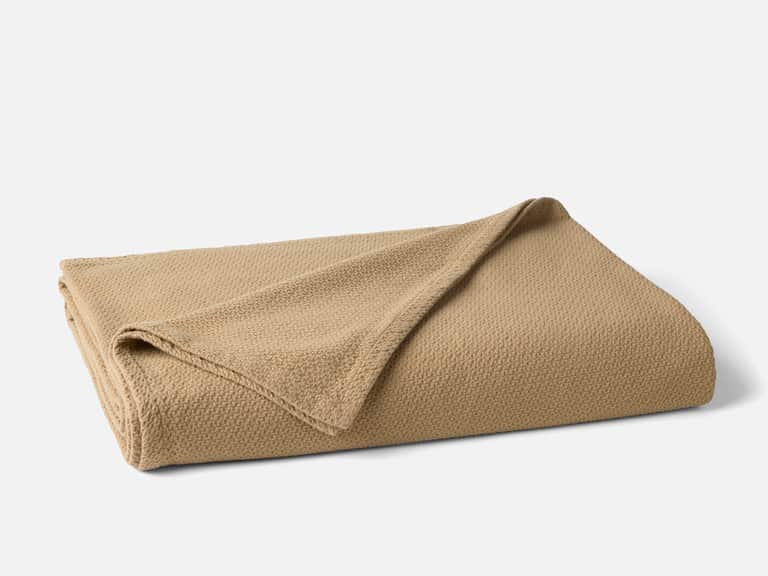
Consider a key product example: the Classic Organic Blanket, crafted from 100% organic cotton, woven in India, and finished with a textured honeycomb weave and a refined hem. This piece is designed for breathable comfort and easy care, backed by GOTS certification and Fair Trade production. Such a blanket can serve as a versatile layer in a nursery, combining warmth with breathability and safety-conscious construction.
Care routines extend the lifespan of crib bedding and help maintain hygienic sleep environments. The ability to machine wash at appropriate temperatures, as recommended by certification bodies and manufacturers, is essential for product longevity. The Classic Organic Blanket offers machine washing at cold gentle cycles with low tumble drying, designed to keep fibers soft and reduce wear. When you pair such pieces with proper mattress protection and fitted sheets, you create a stable, breathable sleep surface that supports healthy infant sleep without introducing harsh cleaning rituals into your routine.
Alongside historical perspectives, three modern voices help shape how new parents approach organic crib bedding:
The Classic Organic Blanket, a standout piece within organic crib bedding, embodies the values of safety, comfort, and longevity. Woven from 100% organic cotton grown in India and finished with a honeycomb texture, this blanket offers a breathable, lightweight layer ideal for a nursery climate. Its GOTS certification and Fair Trade production signal a responsible supply chain from fiber to finish, while the ease of machine washing makes it a practical staple for busy parents.
The blanket’s practical construction—reliable warmth without overheating, a generous but not bulky presence, and a simple, clean hem—helps front-load nursery planning. It pairs well with a fitted sheet, a breathable sleep sack, or a light swaddle setup in the early months, offering a versatile layering option that adapts as baby grows.
For editors and site builders aiming to create authoritative, beginner-friendly content around organic crib bedding, consider establishing clear content pillars that echo the ABC branding. Potential formats include:
If you’d like, I can provide a sample 12-week content plan focusing on foundational topics, beginner-friendly formats, and a thematic rotation around ABC Basics—from baby sleep science to eco-conscious nursery design.